ERTIS Research group
ERTIS focuses its research activity on improving the management, accessibility and integration of embedded devices in the context of the Internet of Things. ERTIS is part of the ITIS Software institute.
Research Areas
ERTIS focuses on several research lines that address the challenges of embedded and distributed systems in real-time and critical domains. Our work is organized into the following areas
Digital Twins and Open Platforms
Architectures for modeling, simulation, and monitoring of physical processes, applied to domains such as agriculture, energy, and infrastructures.

Streaming Deep and Distributed Neural Networks over the IoT/Edge/Fog/Cloud
ERTIS investigates how to integrate deep neural networks with messaging systems for deployment across IoT, Edge, Fog, and Cloud environments, exemplified by its Kafka-ML framework, which manages the entire AI model lifecycle through data streams.

IoT, Edge, and Fog Computing
Middleware and distributed architectures that enable efficient data processing across heterogeneous devices and networks.
Real-Time and Critical Systems
Methods and tools to ensure predictability, functional safety, and cybersecurity in systems where failures are not acceptable.
Publications and Projects
Explore our latest research projects and publications in embedded systems and IoT.
Projects
European Projects
2022-2026
EVOLVE aims to exploit the scientific excellence and expertise of key academic and industrial players into a joint collaborative effort to design, develop and test various technologies that consider the holistic view of Electric Vehicles (EV) charging taking into account the view of technical and business stakeholders. EVOLVE will pursue innovation for advancing the technologies in EV charging ecosystem by orchestrating and managing the underlying networking and computational resources, design innovative algorithms using Artificial Intelligence (AI) and Machine Learning (ML), developing communication protocols, prediction and optimising load in smart grids, developing software systems and user interfaces (UIs). EVOLVE aims to transcend analytical models and simulation-based validation and aims to deliver five proof-of-concept (PoC) demonstrations. EVOLVE project will provide a platform to foster a close collaboration between academia and industry partners providing each with a unique experience to create new knowledge, share know-how and skills development.
National Projects
(Dr. Manuel Díaz and Dr. Cristian Martín) - 2023-2026
The requirements for continuous analysis and prediction of the real-time behavior of assets and their possible future state have led to the emergence of the well-known digital twins. Digital twins play a key role in the digital transformation for the industry 4.0 and beyond. However, the efforts made so far have pursued vertical and tailored solutions, but not interoperable and plug & play services. The DiTaS project shifts towards interoperable, composable, and cognitive digital twins as services. DiTaS will provide an open digital twin framework for the definition of interoperable, agnostic, and cognitive digital twin services in the Industry 4.0.
(Dr. Manuel Díaz and Dr. Cristian Martín) - 2023-2026
The main objective of TRIATHLON (TRIhAlomeTHanes controL thrOugh AI-based techNologies) is to facilitate the management of water supply networks. Specifically, it will work on the formation of subproducts of disinfection like trihalomethanes (THMs). For this purpose, the project will develop and validate a decision support system that allows the monitoring, prevention, and mitigation of these compounds with the help of artificial intelligence techniques and real-time monitoring.
(Dr. José Francisco Aldana Montes) - 2024-2027
The DALISE project aims to propel the development of services tailored to offer effective strategies for enhancing the energy flexibility of buildings, with a particular focus on HVAC (Heat, Ventilating, and Air Conditioning) systems. Central to this endeavor is the implementation of a data lake for streamlined data management. Leveraging this infrastructure, the project seeks to apply a data-driven Artificial Intelligence (AI) methodology to cultivate precise models for predicting the energy consumption of HVAC devices using real data. Furthermore, the initiative will explore the creation of advanced services grounded in the innovative concept of data spaces.
(Dr. Manuel Díaz) - 2025-2027
The OPTIMA-DONES project aims to develop a cyber-physical system for proactive monitoring and maintenance of IFMIF-DONES’s critical systems, following the Maintenance 5.0 paradigm. Its goal is to enhance safety, availability, and lifespan of key components in this major European fusion facility. Maintaining fusion systems like IFMIF-DONES is especially challenging due to the lack of prior experience with many prototype systems. Gaining this expertise is essential to make fusion energy viable and reliable.
(DR Antonio Barberá) - 2025
During droughts, both the quantity and quality of available water decline, often requiring reliance on underground aquifers. To prevent overexploitation and contamination, advanced technologies are needed. This project aims to develop an Early Warning System (iSAT) using low-cost sensors and artificial intelligence algorithms to continuously monitor water quality and availability. The system will send alerts to managers in case of health risks, enhancing groundwater management. The goal is to experimentally validate the prototype under real conditions and reach a TRL7 technology readiness level.
(Dr Manuel Díaz) - 2025
Faced with increasing water scarcity in Spain, particularly in Andalusia, the agricultural sector has shown strong adaptability through efficient water use. The DIGAGRO project proposes developing advanced digital twins powered by artificial intelligence to optimize irrigation management during drought conditions. Led by the University of Málaga and the University of Córdoba, this initiative will enable water consumption forecasting, anomaly detection, long-term demand analysis, and scenario simulation. Its goal is to support decision-making in irrigation communities through innovative and predictive tools.
Contracts with Companies
- SIEITI: Industrial Pipeline Interior Condition Information System – Collaboration with INNTELIA Soluciones Tecnológicas
2024
2024
Publications
2025
2024
- Towards flexible data stream collaboration: Federated Learning in Kafka-ML
Antonio Jesús Chaves; Cristian Martín; Manuel Díaz - - A Methodology for the Development of Soft Sensors with Kafka-ML
Antonio Jesús Chaves; Cristian Martín; Luis Llopis Torres; Enrique Soler; Manuel Díaz; Rohit Sharma; Gwanggil Jeon; Yan Zhang - - Integrating FMI and ML/AI models on the open-source digital twin framework OpenTwins
Sergio Infante; Cristian Martín; Julia Robles; Bartolomé Rubio; Manuel Díaz; Rafael González Perea; Pilar Montesinos; Emilio Camacho Poyato -
2023
- Pollen recognition through an open-source web-based system: automated particle counting for aerobiological analysis
Antonio Jesús Chaves; Cristian Martín; Luis Llopis Torres; Manuel Díaz; Rocío Ruiz-Mata; Enrique de Gálvez-Montañez; Marta Recio; M. Mar Trigo; Antonio Picornell - - OpenTwins: An open-source framework for the development of next-gen compositional digital twins
Julia Robles; Cristian Martín; Manuel Díaz - - Maintaining flexibility in smart grid consumption through deep learning and deep reinforcement learning
Fernando Gallego; Cristian Martín; Manuel Díaz; Daniel Garrido - - The orchestration of Machine Learning frameworks with data streams and GPU acceleration in Kafka‐ML: A deep‐learning performance comparative
Antonio Jesús Chaves; Cristian Martín; Manuel Díaz - - Portable motorized telescope system for wind turbine blades damage detection
Alejandro Carnero; Cristian Martín; Manuel Díaz -
2022
- Structural health and intelligent monitoring of wind turbine blades with a motorized telescope
Alejandro Carnero; Cristian Martín; Manuel Díaz - - Kafka-ML: connecting the data stream with ML/AI frameworks
Cristian Martín; Peter Langendoerfer; Pouria Soltani; Manuel Díaz; Bartolomé Rubio - - Facilitating the Monitoring and Management of Structural Health in Civil Infrastructures with an Edge/Fog/Cloud Architecture
Cristian Martín; Daniel Garrido; Luis Llopis; Bartolomé Rubio; Manuel Díaz -
2021
- Managing and Deploying Distributed and Deep Neural Models Through Kafka-ML in the Cloud-to-Things Continuum
Alejandro Carnero; Cristian Martín; Daniel R. Torres; Daniel Garrido; Manuel Díaz; Bartolomé Rubio - - An open source framework based on Kafka-ML for DDNN inference over the Cloud-to-Things continuum
Daniel R. Torres; Cristian Martín; Manuel Díaz; Bartolomé Rubio -
2020
- Integrating Blockchain in Safety-Critical Systems: An Application to the Nuclear Industry
Manuel Díaz; Enrique Soler; Luis Llopis; Javier Trillo - - FogPi: A Portable Fog Infrastructure through Raspberry Pis
Cristian Martín; Daniel Torres; Manuel Díaz; Bartolomé Rubio -
2019
- From the Edge to the Cloud: Enabling Reliable IoT Applications
Cristian Martín; Daniel Garrido; Manuel Díaz; Bartolomé Rubio - - Performance analysis of wireless sensor networks and priority queueing systems
Esteban Cañete; Jian Chen; Manuel Díaz; Bartolomé Rubio; Juan M. Troya - - Wireless sensor networks and structural health monitoring: Experiences with slab track infrastructures
Esteban Cañete; Jian Chen; Manuel Díaz; Luis Llopis; Bartolomé Rubio - - PICO: A platform independent communications middleware for heterogeneous devices in smart grids
Jian Chen; Esteban Cañete; Daniel Garrido; Manuel Díaz; Krzysztof Piotrowski -
2018
- An edge computing architecture in the Internet of Things
Cristian Martín; Manuel Díaz; Bartolomé Rubio - - On blockchain and its integration with IoT. Challenges and opportunities
Antonio Reyna; Cristian Martín; Jian Chen; Enrique Soler; Manuel Díaz - - Appdaptivity: An Internet of Things Device-Decoupled System for Portable Applications in Changing Contexts
Cristian Martín; Jeroen Hoebeke; Jan Rossey; Manuel Díaz; Bartolomé Rubio; Frederik Van den Abeele - - Smart Winery: A Real-Time Monitoring System for Structural Health and Ullage in Fino Style Wine Casks
Esteban Cañete; Jian Chen; Cristian Martín; Bartolomé Rubio -
2017
- Middleware and Communication Technologies for Structural Health Monitoring of Critical Infrastructures: A Survey
Laura Alonso; José Barbarán; Jian Chen; Manuel Díaz; Luis Llopis; Bartolomé Rubio - - SocICoAP: Social Interaction with Supplementary Sensors and Actuators through CoAP in Smartphones
Cristian Martín; Jian Chen; Manuel Díaz; Antonio Reyna; Bartolomé Rubio - - Run-time deployment and management of CoAP resources for the Internet of Things
Cristian Martín; Manuel Díaz; Bartolomé Rubio -
2016
- State-of-the-art, challenges, and open issues in the integration of Internet of Things and Cloud Computing
Manuel Díaz; Cristian Martín; Bartolomé Rubio - - Lambda-CoAP: An Internet of Things and Cloud Computing Integration based on the Lambda Architecture and CoAP
Manuel Díaz; Cristian Martín; Bartolomé Rubio -
2015
- Using Wireless Sensor Networks and Trains as Data Mules to Monitor Slab Track Infrastructures
Esteban Cañete; Jian Chen; Manuel Díaz; Luis Llopis; Antonio Reyna; Bartolomé Rubio - - Sensor4PRI: A Sensor Platform for the Protection of Railway Infrastructures
Esteban Cañete; Jian Chen; Manuel Díaz; Luis Llopis; Bartolomé Rubio - - Measuring and modeling the energy cost of reconfiguration in sensor networks
Gokulnath Ramachandran; Esteban Cañete; Manuel Díaz; Bartolomé Rubio -
2014
- A Virtual Channel-based Framework for the Integration of Wireless Sensor Networks in the Cloud
José Barbarán; Manuel Díaz; Bartolomé Rubio - - An Integrated WSAN and SCADA System for Monitoring a Critical Infrastructure
Ana M. Grilo; Jian Chen; Manuel Díaz; Daniel Garrido; António Casaca -
2013
- RAISE: Railway infrastructure health monitoring using wireless sensor networks
Jian Chen; Manuel Díaz; Bartolomé Rubio; Juan M. Troya - - PS-QUASAR: A publish/subscribe QoS Aware Middleware for Wireless Sensor and Actor Networks
Jian Chen; Manuel Díaz; Bartolomé Rubio; Juan M. Troya -
2012
- HERO: a Hierarchical, Efficient and Reliable Routing Protocol for Wireless Sensor and Actor Networks
Esteban Cañete; Manuel Díaz; Luis Llopis; Bartolomé Rubio - - Distributed Shared Memory as an Approach for Integrating WSNs and Cloud Computing
Peter Langendoerfer; Krzysztof Piotrowski; Manuel Díaz; Bartolomé Rubio - - A Wireless Sensor Networks Framework based on Light Databases
Esteban Cañete; Manuel Díaz; Bartolomé Rubio - - A Sensor-Cloud Integration for Industrial Automation
Manuel Díaz; Daniel Garrido; Luis Llopis; Bartolomé Rubio - - Using standards to integrate soft real-time components into dynamic distributed architectures
José A. Dianes; Manuel Díaz; Bartolomé Rubio - - NeuralSens: A neural network based framework to allow dynamic adaptation in wireless sensor and actor networks
Esteban Cañete; Jian Chen; Rafael M. Luque; Bartolomé Rubio -
2011
- Habitat: A DDS-based Service Framework for Smart Spaces
José A. Dianes; Manuel Díaz; Bartolomé Rubio - - A Survey on Quality of Service Support in Wireless Sensor and Actor Networks: Requirements and Challenges in the Context of Critical Infrastructure Protection
Jian Chen; Manuel Díaz; Luis Llopis; Bartolomé Rubio; Juan M. Troya - - A Cluster-Based Quantitative Reliability Model
Esteban Cañete; Manuel Díaz; Luis Llopis; Bartolomé Rubio - - A Service-Oriented Approach to Facilitate WSAN Application Development
Esteban Cañete; Jian Chen; Manuel Díaz; Luis Llopis; Bartolomé Rubio -
2010
- DDS4RIS: A DDS Implementation for Wireless Sensor Networks
Eduardo Calderón; Jian Chen; Bartolomé Rubio - - ServiceDDS: A Framework for Real-Time P2P System Integration
José A. Dianes; Manuel Díaz; Bartolomé Rubio -
2009
- Case Study: Tractor Safety; Avoiding Overturns and Farmland Monitoring using WSANs and the USEME Framework
E. Cañete; J. Chen; L. Llopis; B. Rubio - - Dynamic Adaptation in Wireless Sensor Netwoks using Neural Networks
E. Cañete; J. Chen; L. Llopis; R.M. Luque; B. Rubio - - Programming Wireless Sensor Networks Applications using SMEPP: a Case Study
J. Barbarán; J. A. Dianes; M. Díaz; D. Garrido; L. Llopis; A. Reyna; B. Rubio - - Managing Multi-concern Application Complexity in AspectSBASCO
M. Díaz; S. Romero; B. Rubio; E. Soler; J.M. Troya - - A Service-Oriented Middleware for Wireless Sensor and Actor Networks
E. Cañete; J. Chen; M. Díaz; L. Llopis; B. Rubio - - Adding Aspect-Oriented Concepts to the High-Performance Component Model of SBASCO
M. Díaz; S. Romero; B. Rubio; E. Soler; J.M. Troya -
2008
- Designing distributed software with RT-Corba and SDL
M. Díaz; D. Garrido; L. Llopis; J.M. Troya - - USEME: A Service-Oriented Framework for Wireless Sensor and Actor Networks
E. Cañete; J. Chen; M. Díaz; L. Llopis; B. Rubio - - A Service-Oriented Programming Model for Real Time WSANs
E. Cañete; M. Díaz; L. Llopis; B. Rubio -
2007
- UM-RTCOM: an analyzable component model for real-time distributed systems
M. Díaz; D. Garrido; L. Llopis; F. Rus; J.M. Troya - - A Survey on Programming Approaches and Challenges for Wireless Sensor Networks
M. Díaz; B. Rubio; J.M. Troya - - A Component-based nuclear power plant simulator Kernel
M. Díaz; D. Garrido; S. Romero; J.M. Troya - - A Tuple channel-based coordination model for parallel and distributed programming
M. Díaz; B. Rubio; J.M. Troya - - Programming Wireless Sensor and Actor Networks with TC-WSANs
J. Barbarán; M. Díaz; I. Esteve; D. Garrido; L. Llopis; B. Rubio; J.M. Troya - - TC-WSANs: A Tuple Channel based Coordination Model for Wireless Sensor and Actor Networks
J. Barbarán; M. Díaz; I. Esteve; D. Garrido; L. Llopis; B. Rubio; J.M. Troya - - Experiences with Aspect-based Parallelization of Scientific Code
M. Díaz; S. Romero; B. Rubio; E. Soler; J.M. Troya - - CoSP2P: A Component-based Service Model for Peer-to-Peer Systems
C. Alcaide; M. Díaz; L. Llopis; A. Márquez; B. Rubio; E. Soler - - RTCOORD: A Methodology to design WSAN Applications
J. Barbarán; M. Díaz; I. Esteve; D. Garrido; L. Llopis; B. Rubio - - RadMote: A Mobile Framework for Radiation Monitoring in Nuclear Power Plants
J. Barbarán; M. Díaz; I. Esteve; B. Rubio - - Efficient parallel LAN/WAN algorithms for optimization
E. Alba; M. Díaz; C. Cotta; F. Almeida; M. Blesa; I. Dorta; C. Leon; J. Petit; A. Rojas; F. Xhafa; G.J. Luque; J. Gabarró; C. Rodriguez - - A Real-Time Component-Oriented Middleware for Wireless Sensor and Actor Networks
J. Barbarán; M. Díaz; I. Esteve; D. Garrido; L. Llopis; B. Rubio -
2006
Visits
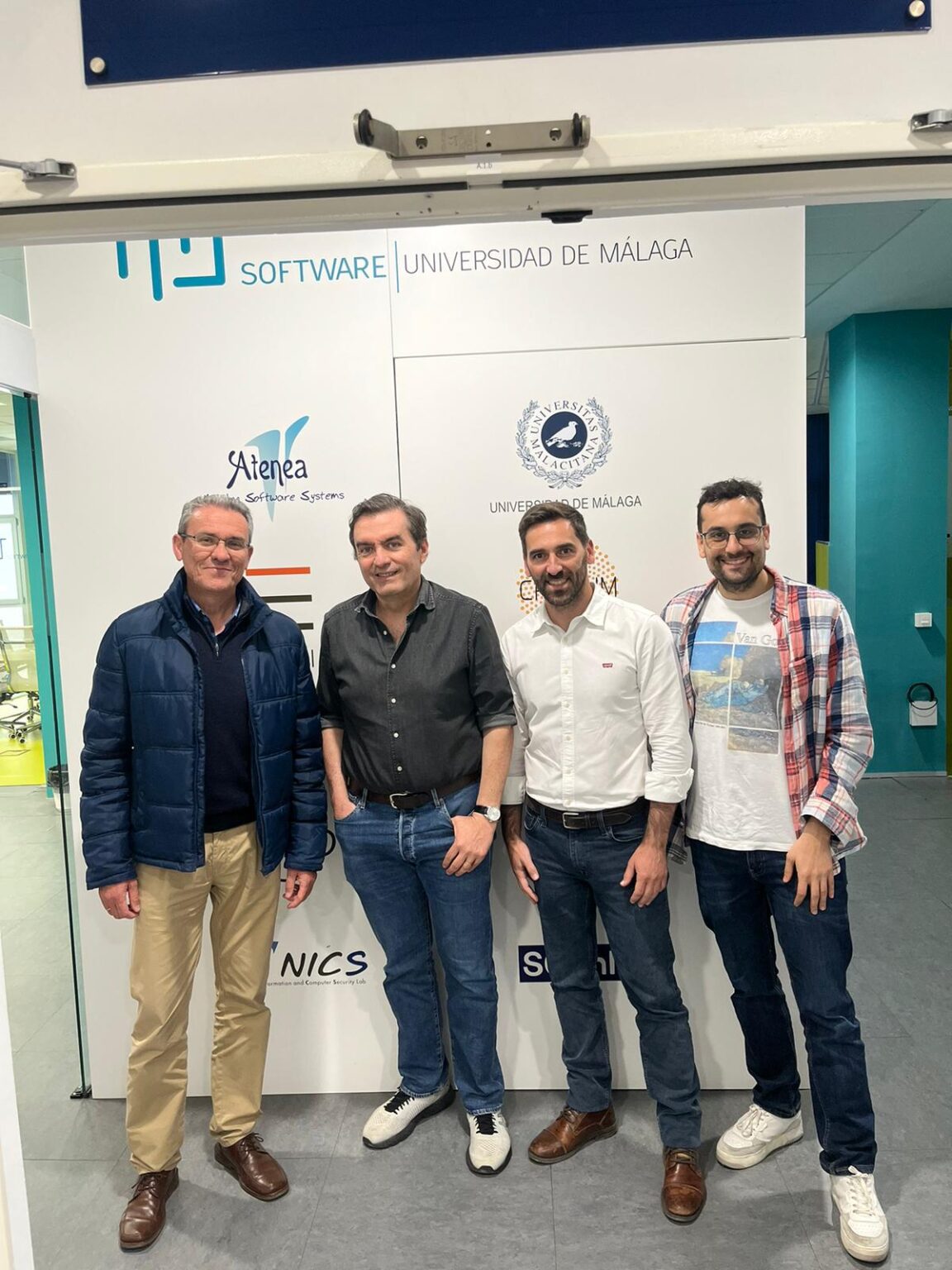
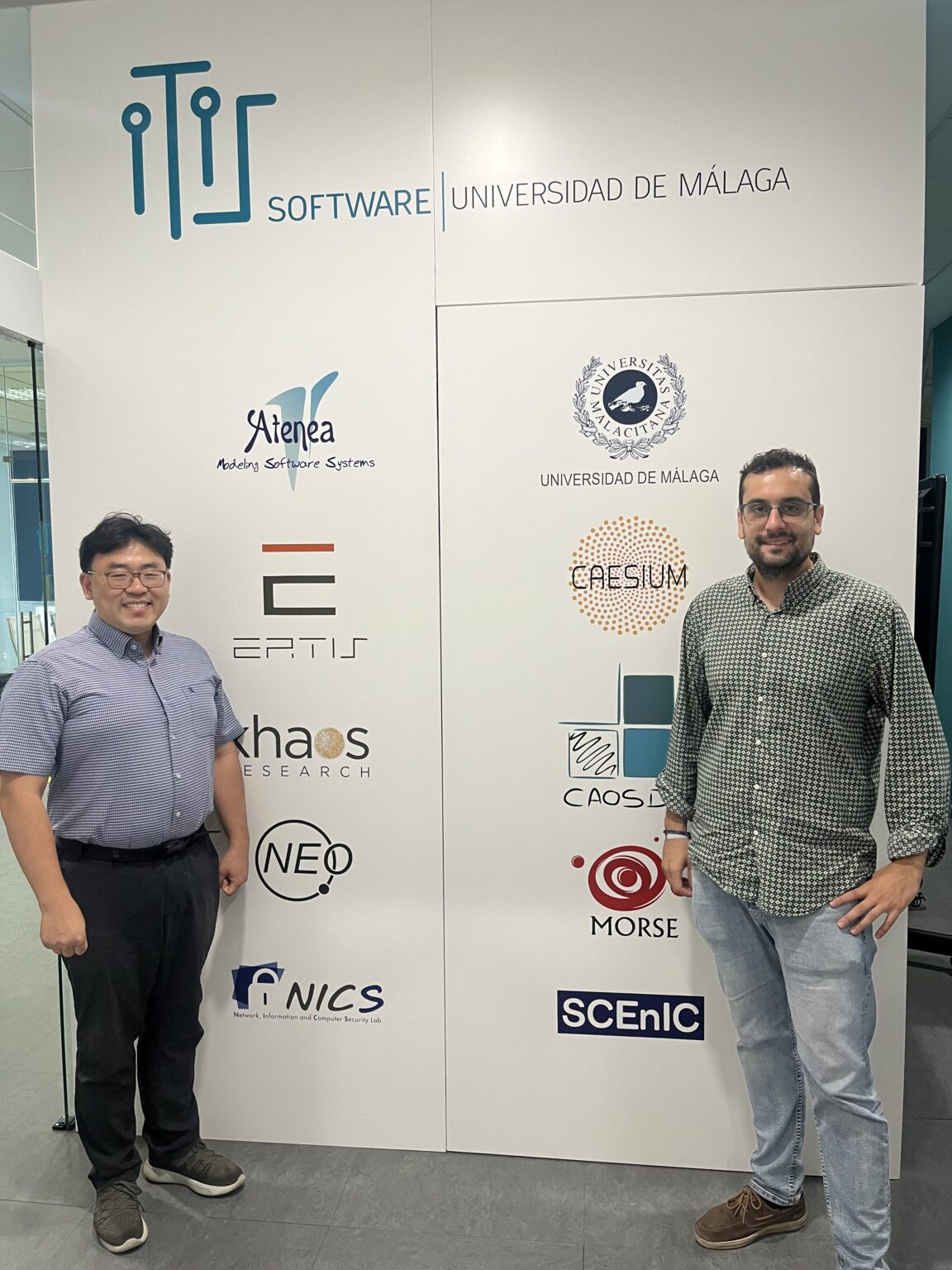
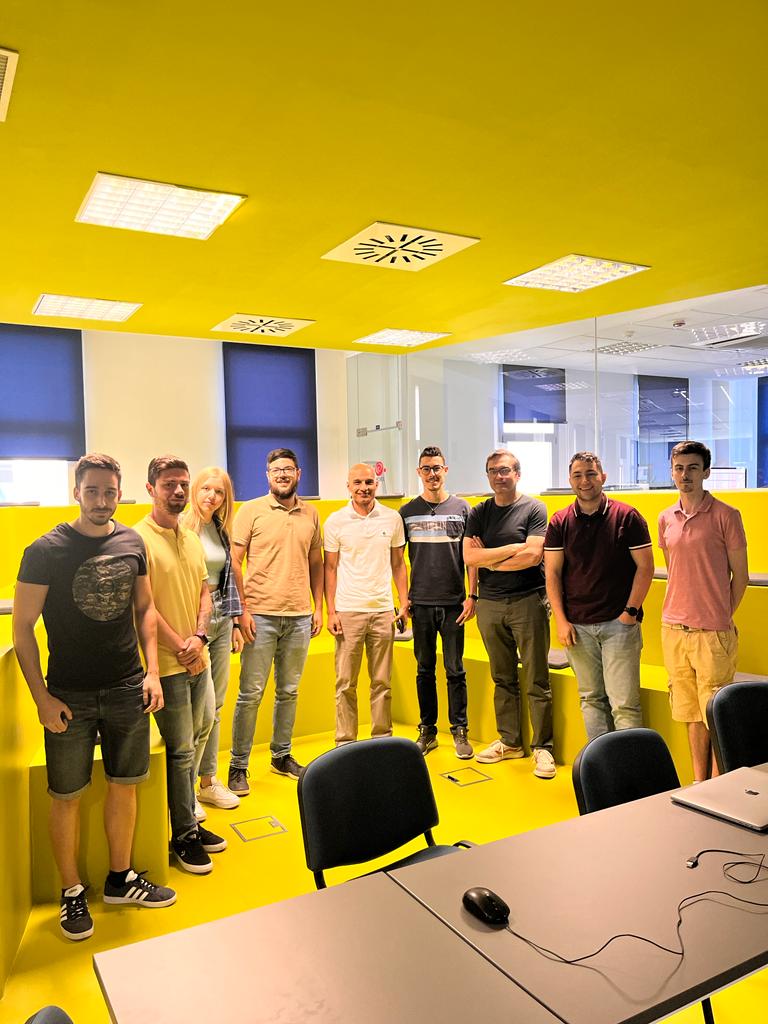
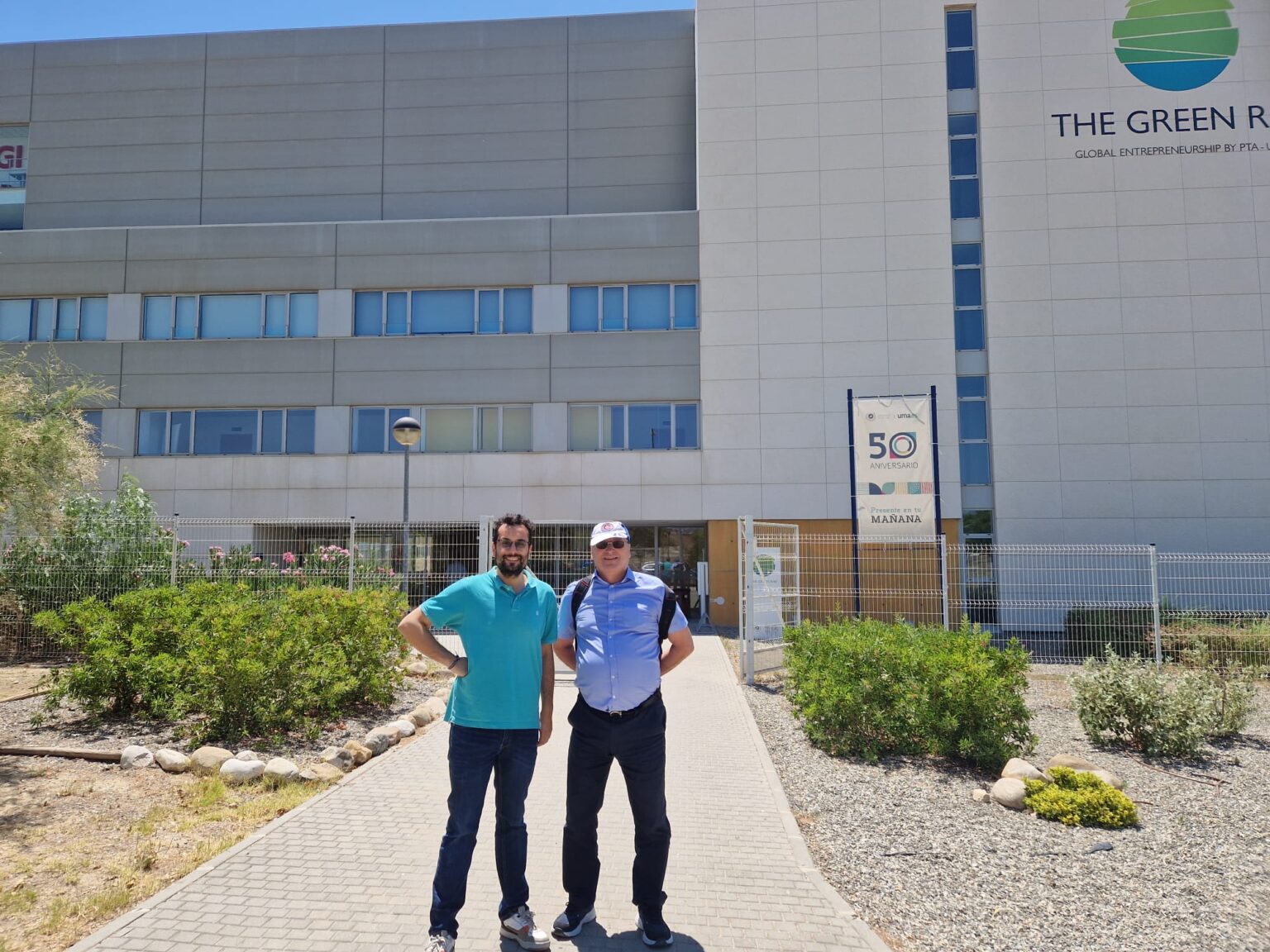
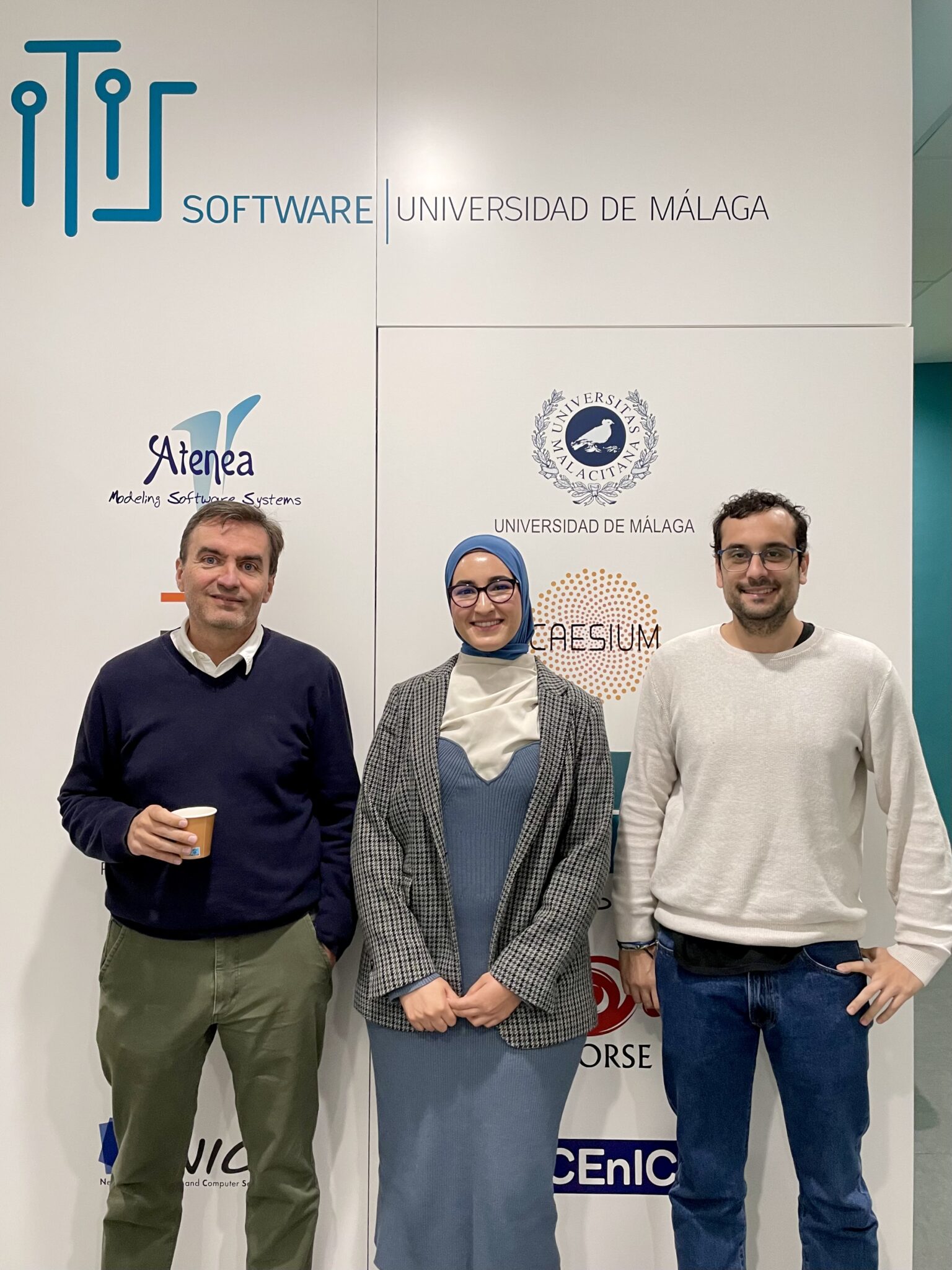
Some of the distinguished researchers and collaborators who have visited us recently. We value these exchanges as opportunities to foster innovation and collaboration in embedded systems and IoT.